

| Products
Home >> Products >> Centrifugal Pump
Product Categories
Request a Quote
What is a Centrifugal Pump
A centrifugal pump is a dynamic pump that uses the centrifugal force generated by a high-speed rotating impeller to transport liquids and increase pressure. When the impeller rotates at high speed, it creates centrifugal force that pushes the liquid from the center of the pump to the outer edge. This process converts mechanical energy into kinetic energy, then into pressure energy, enabling continuous fluid transport. With its simple structure and reliable operation, it is one of the most common fluid transfer devices in the industrial sector.
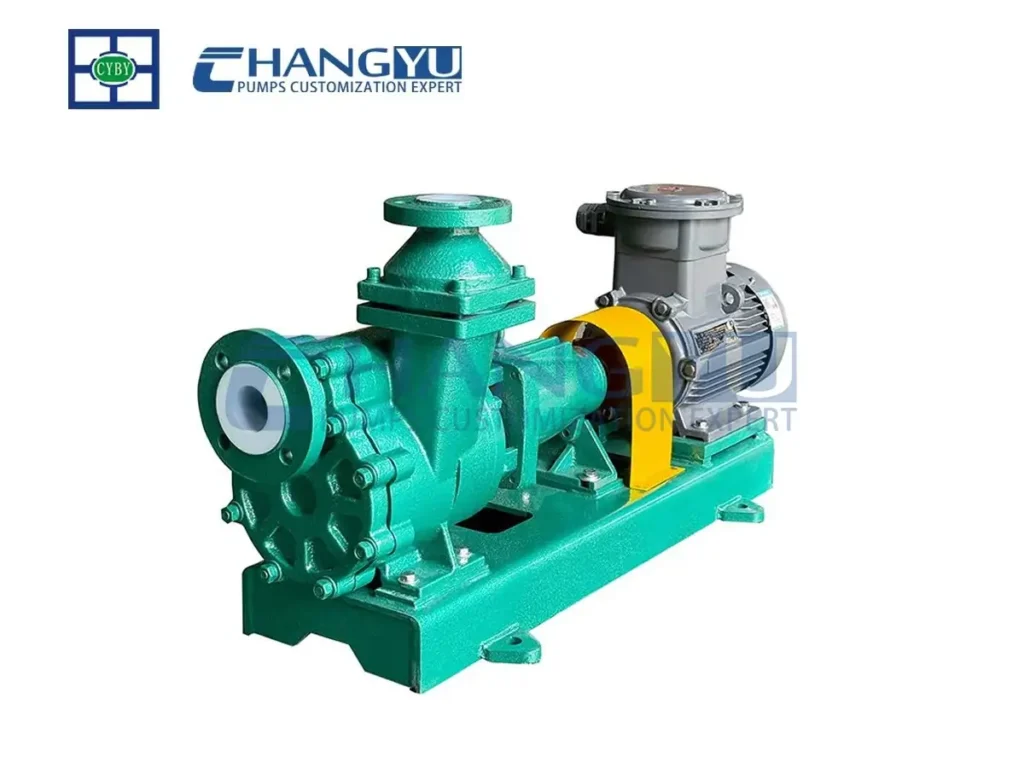
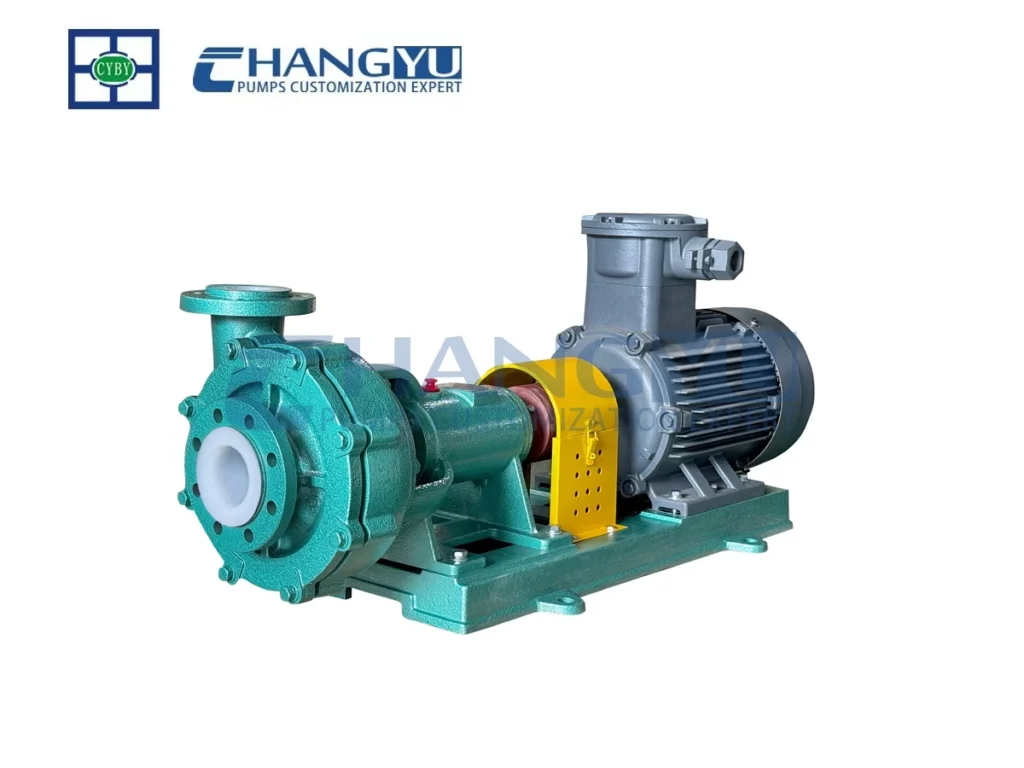
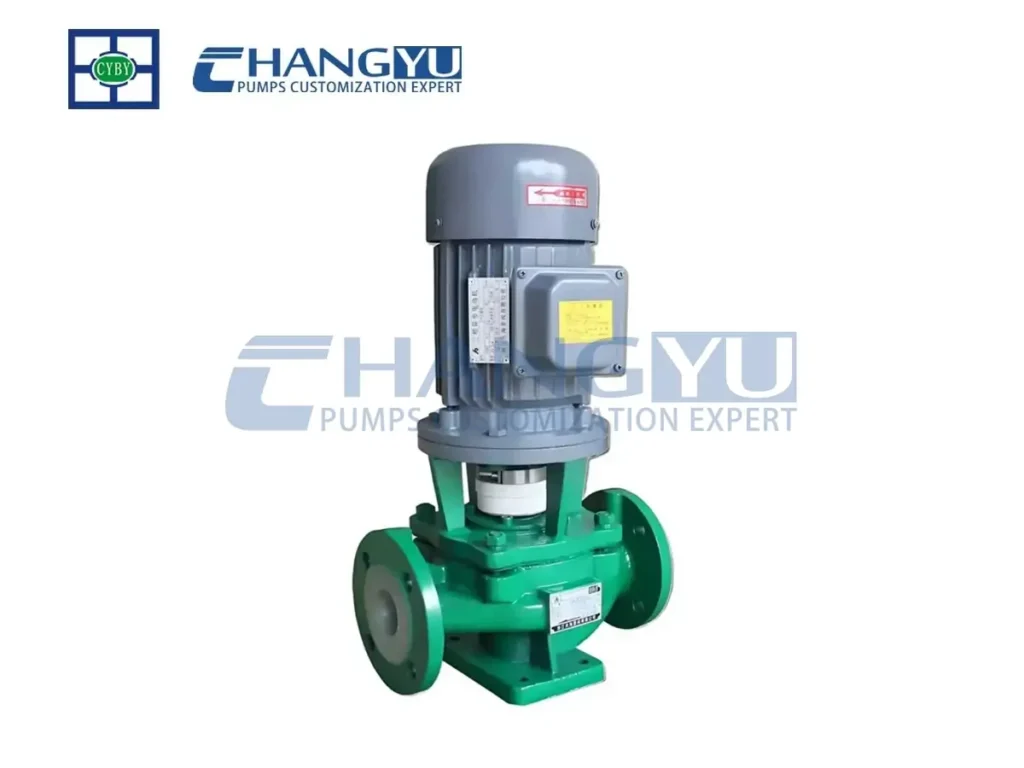
Centrifugal pumps offer advantages such as high-efficiency continuous operation, low maintenance costs, a wide range of applications, and stable performance. They are capable of handling clean water, chemical liquids, corrosive media, and certain slurries. As a result, they are widely used across industries such as chemical processing, mining, water treatment, fertilizer production, industrial manufacturing, and petrochemicals, and serve as core equipment in industrial fluid transfer systems.
Types of Centrifugal Pumps
Classification by Material
Stainless Steel Centrifugal Pump
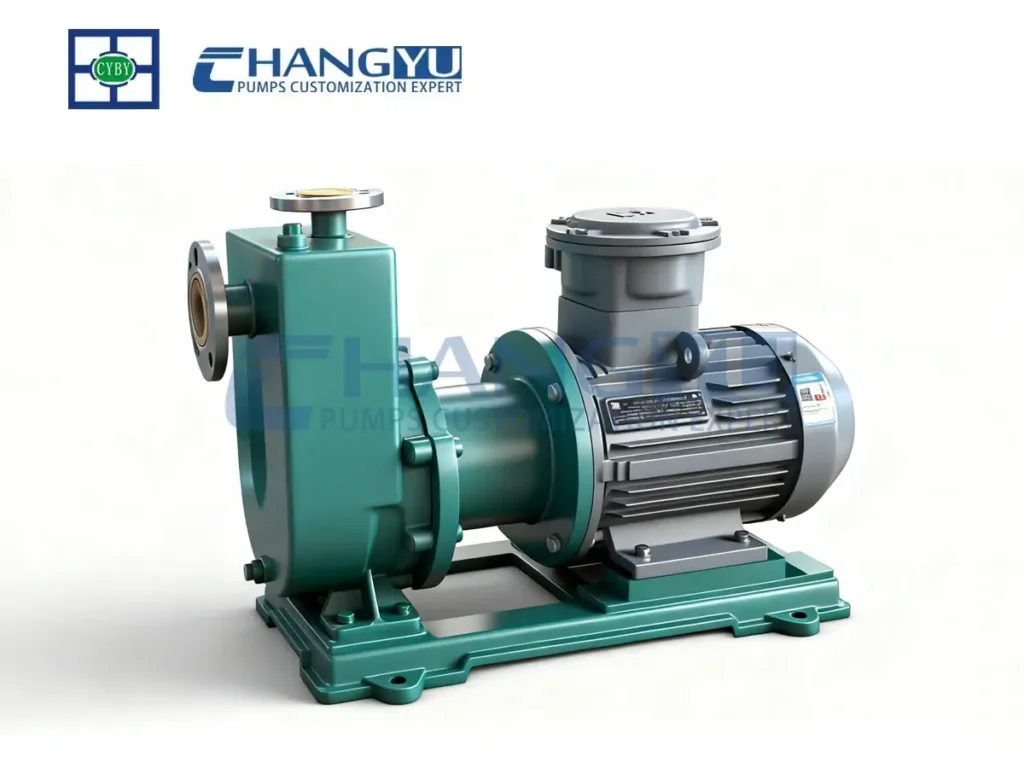
Stainless steel centrifugal pumps offer excellent corrosion resistance and mechanical strength, making them suitable for pumping clean water, mildly corrosive liquids, and industrial circulating media. They are widely used in chemical, food processing, and general industrial systems, and can maintain long-term, stable operation in moderately corrosive environments.
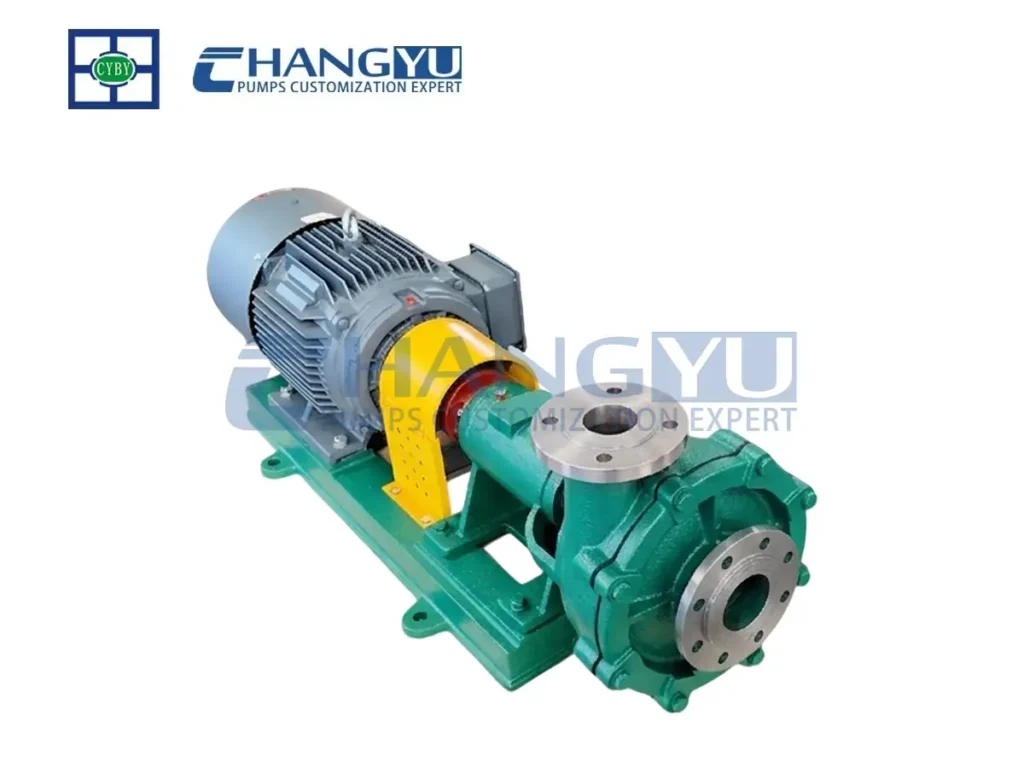

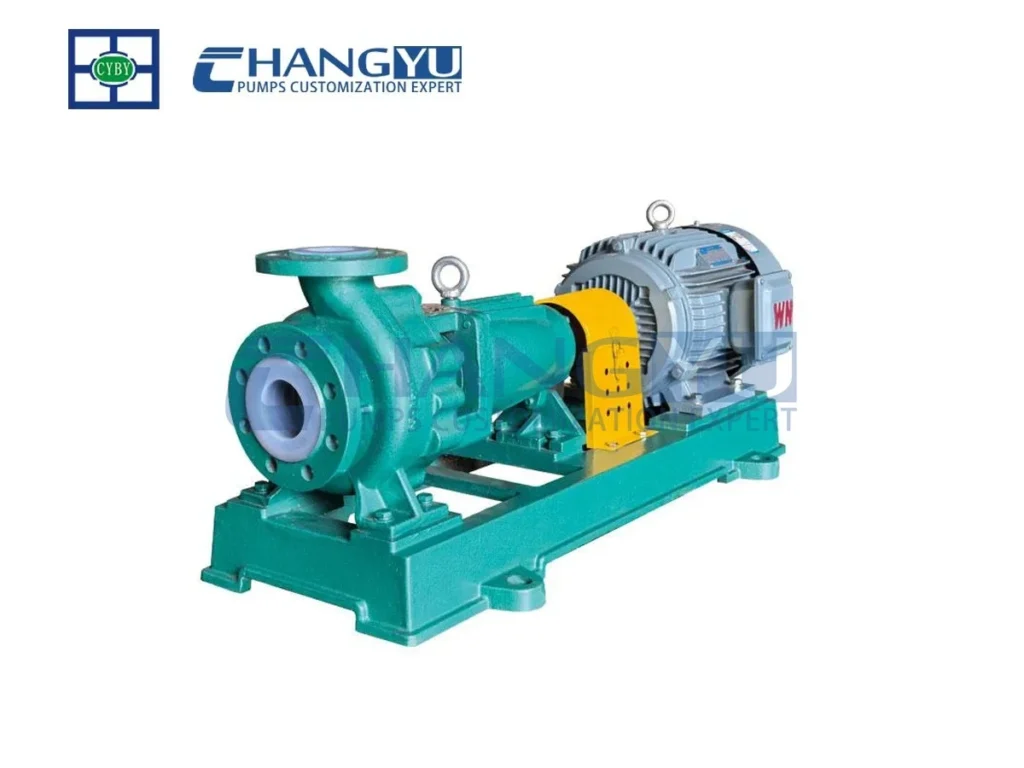
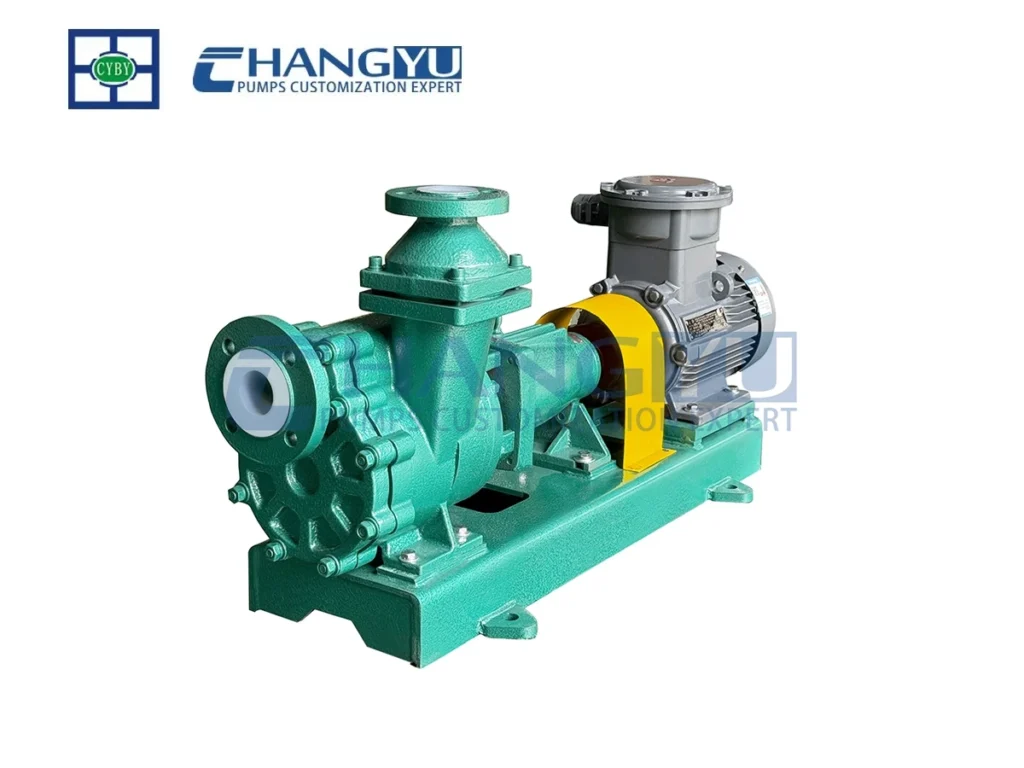
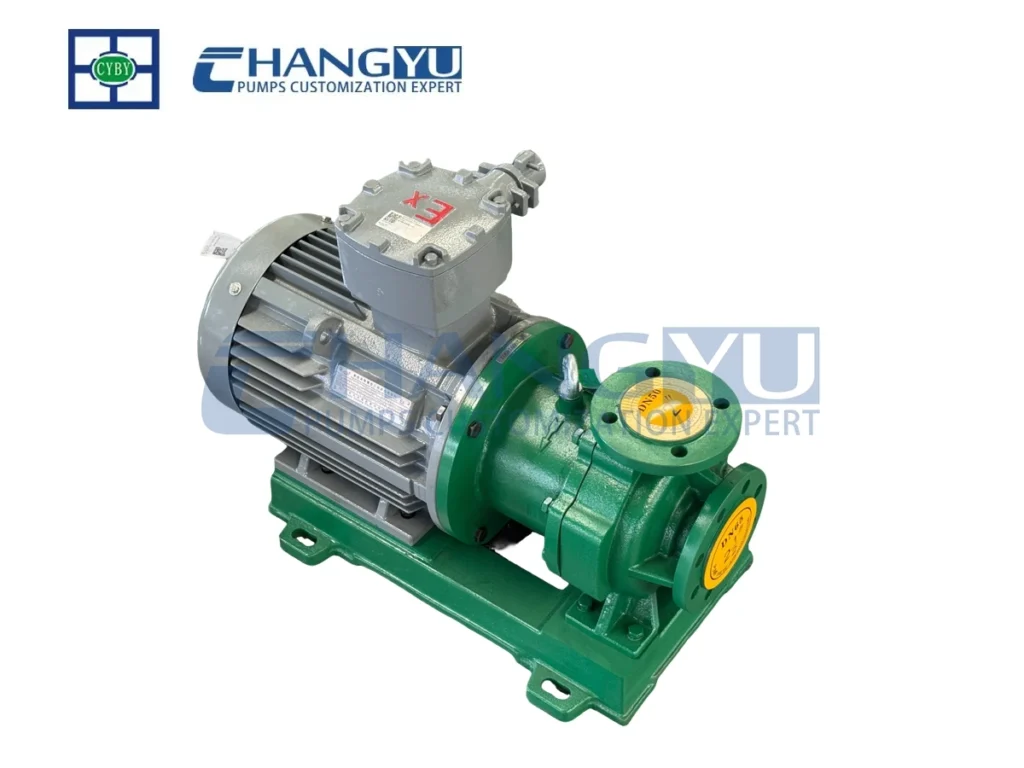
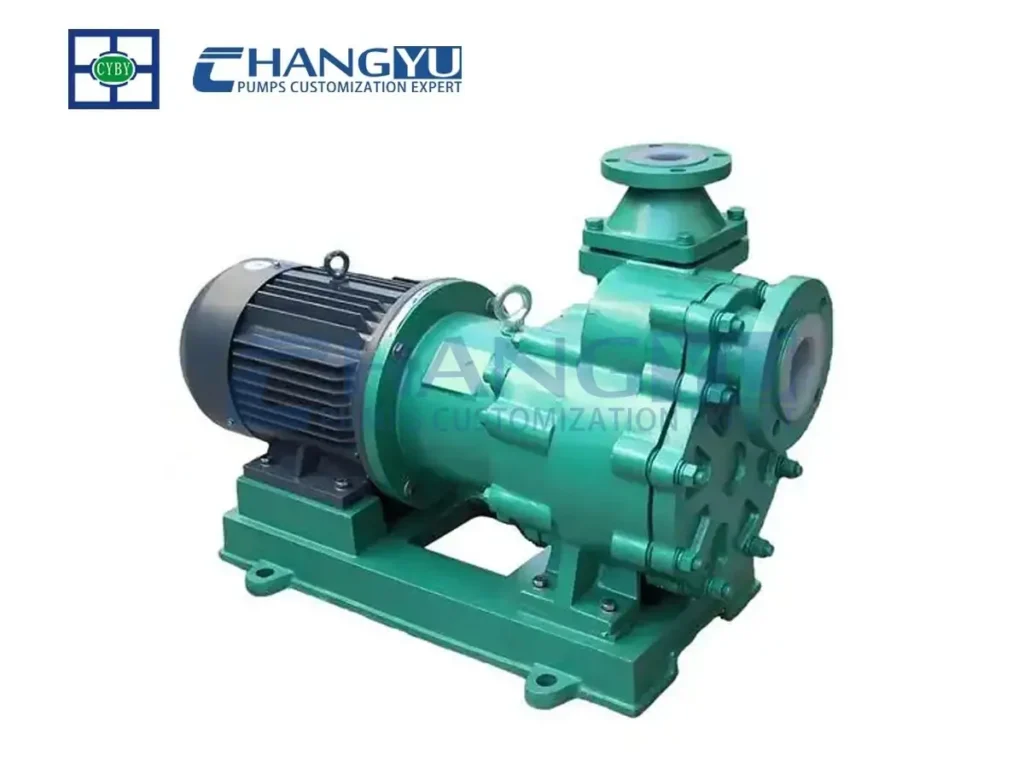
Fluoroplastic Centrifugal Pumps
Fluoroplastic centrifugal pumps are manufactured from highly corrosion-resistant materials such as PTFE and are specifically designed for the transfer of strong acids, strong alkalis, and highly corrosive chemical media, such as hydrochloric acid and sulfuric acid. This type of pump offers exceptional chemical resistance and is suitable for use in chemical processing, electroplating, and hazardous material handling applications.
Classification by Structural Type
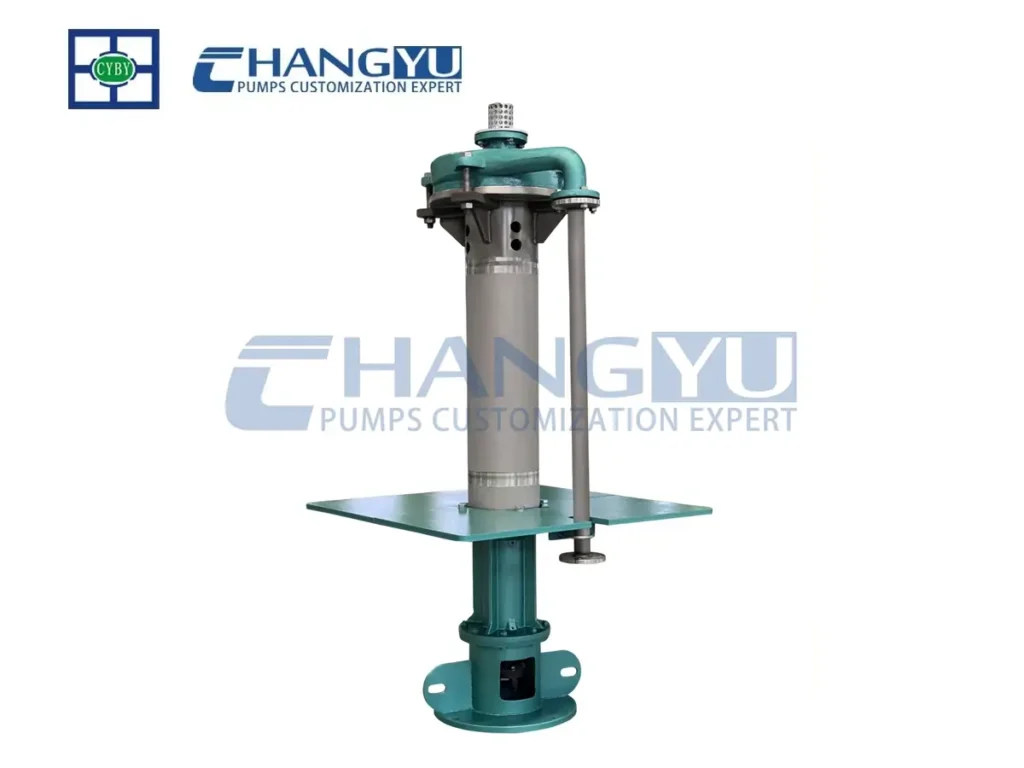
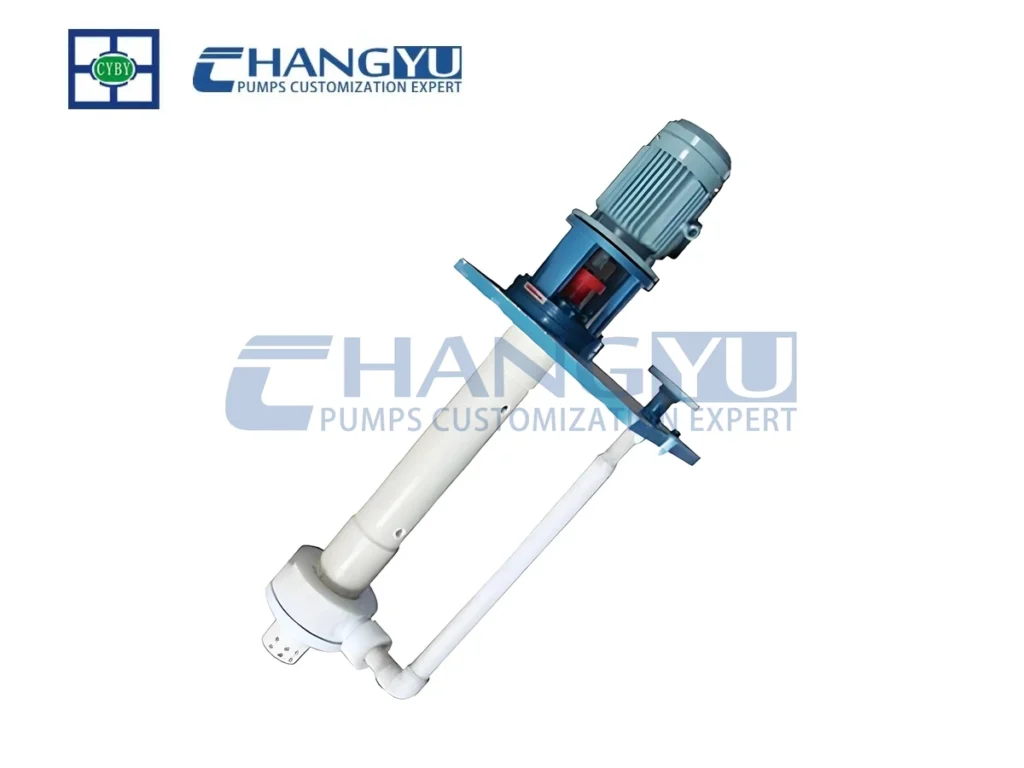
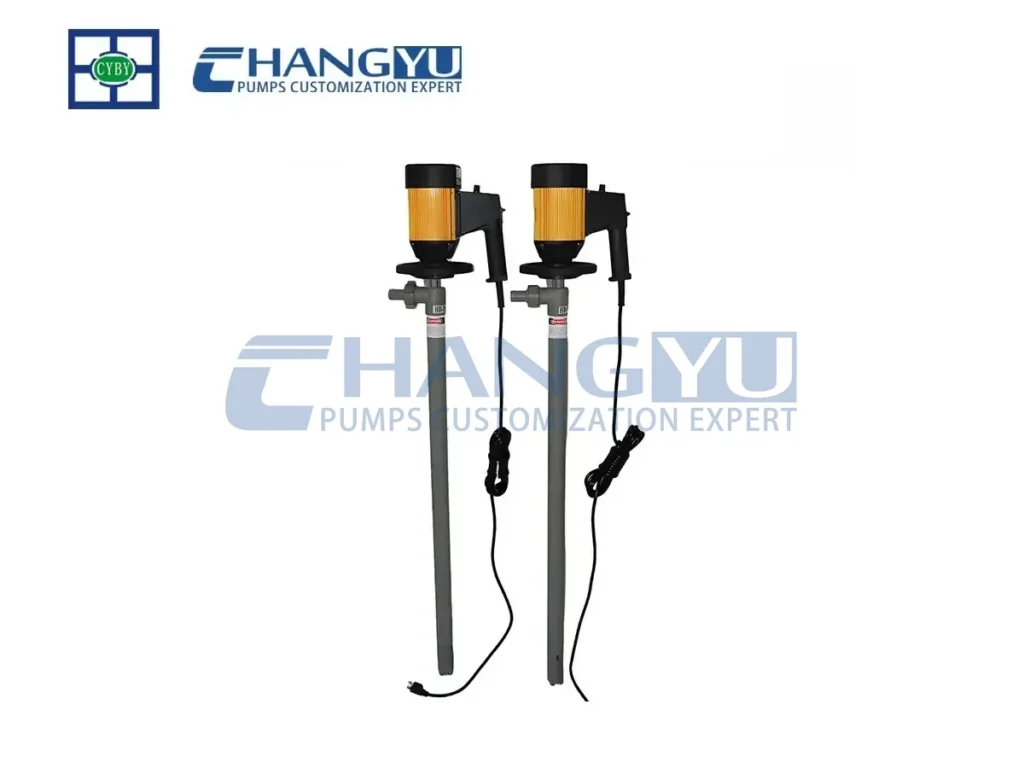
Vertical Centrifugal Pump
Vertical centrifugal pumps feature a vertical design that minimizes the footprint, making them suitable for installation environments with limited space. They are commonly used for pipeline pressurization, circulation systems, and industrial water supply systems, and are characterized by easy installation and stable operation.
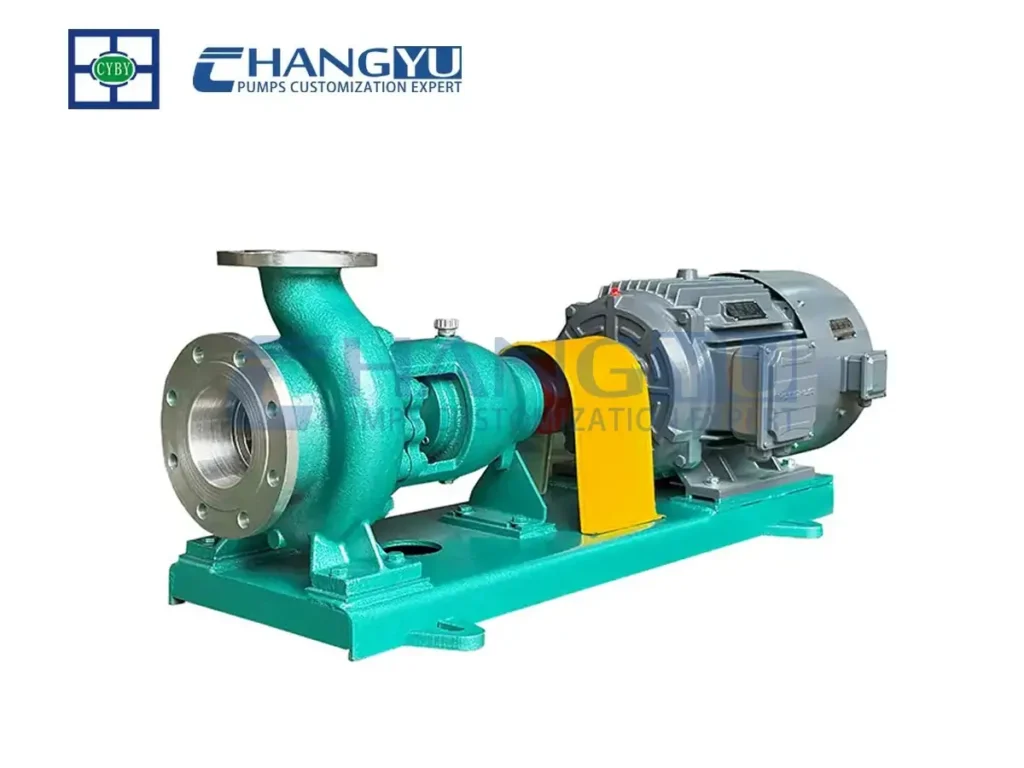
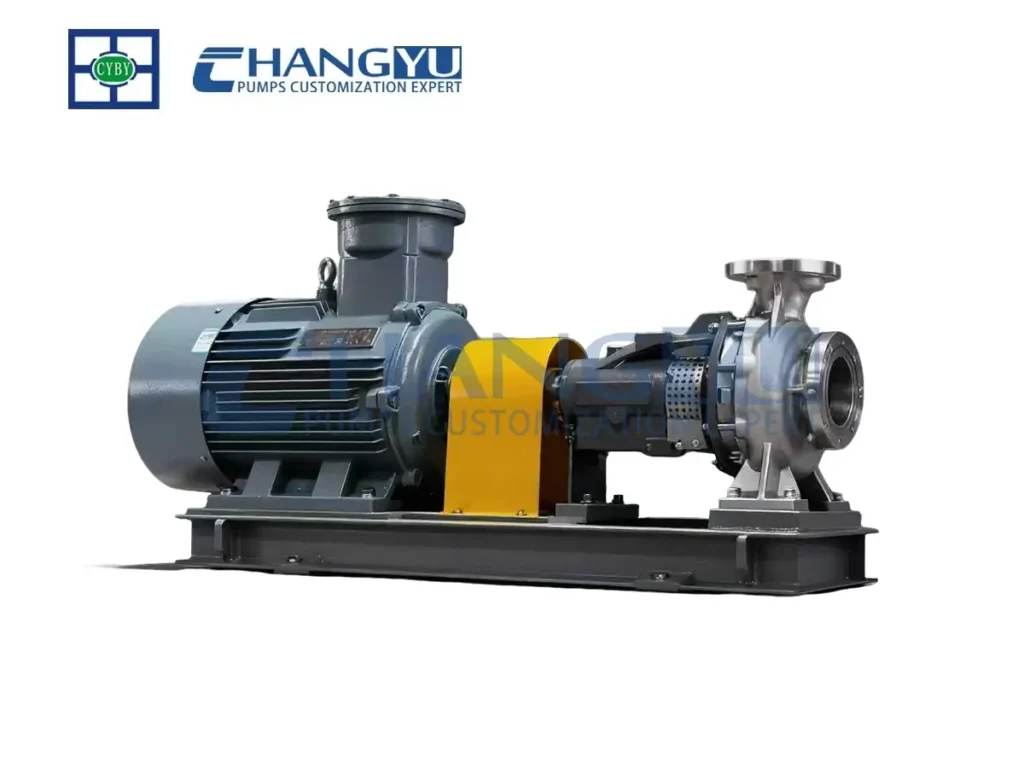
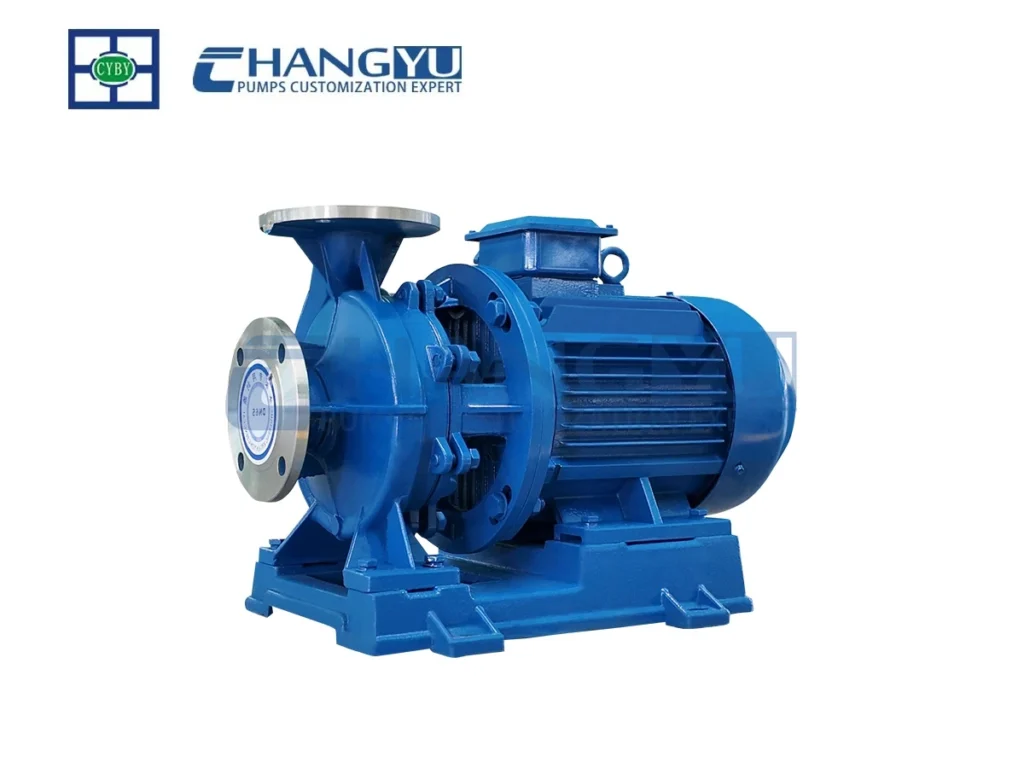
Horizontal Centrifugal Pumps
Horizontal centrifugal pumps feature a stable structure and are easy to maintain, making them one of the most common types in industrial applications. They are suitable for high-flow, continuous-operation conditions, such as chemical transportation, mining circulation, and industrial cooling systems.

Classification by Functional Type
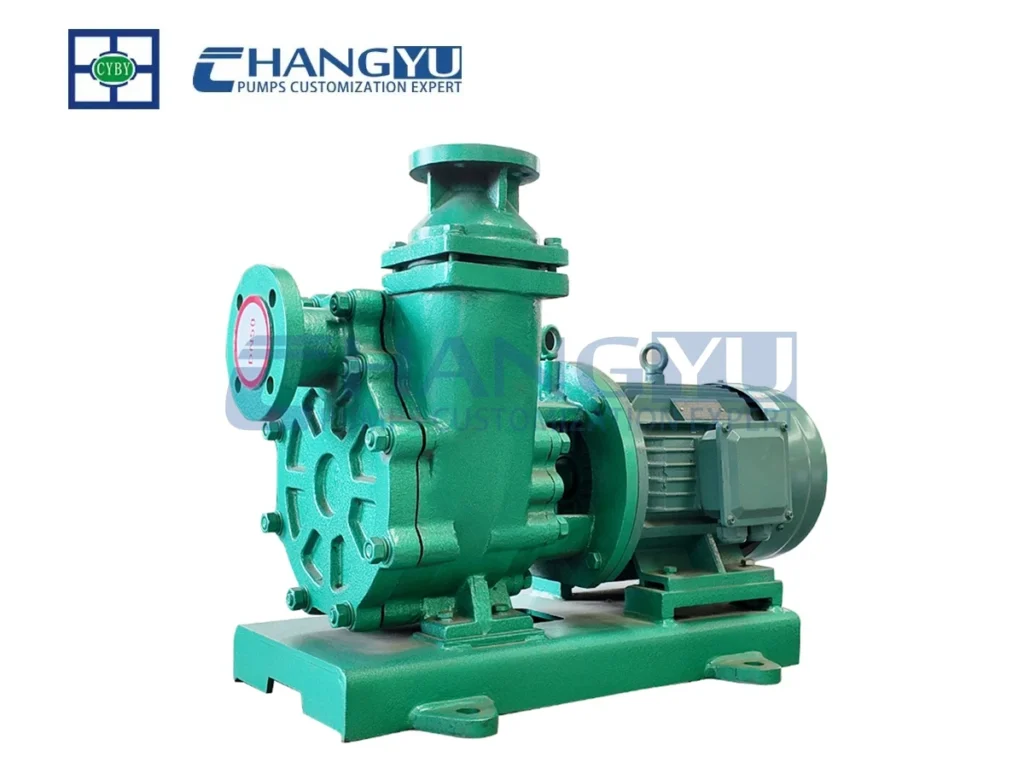
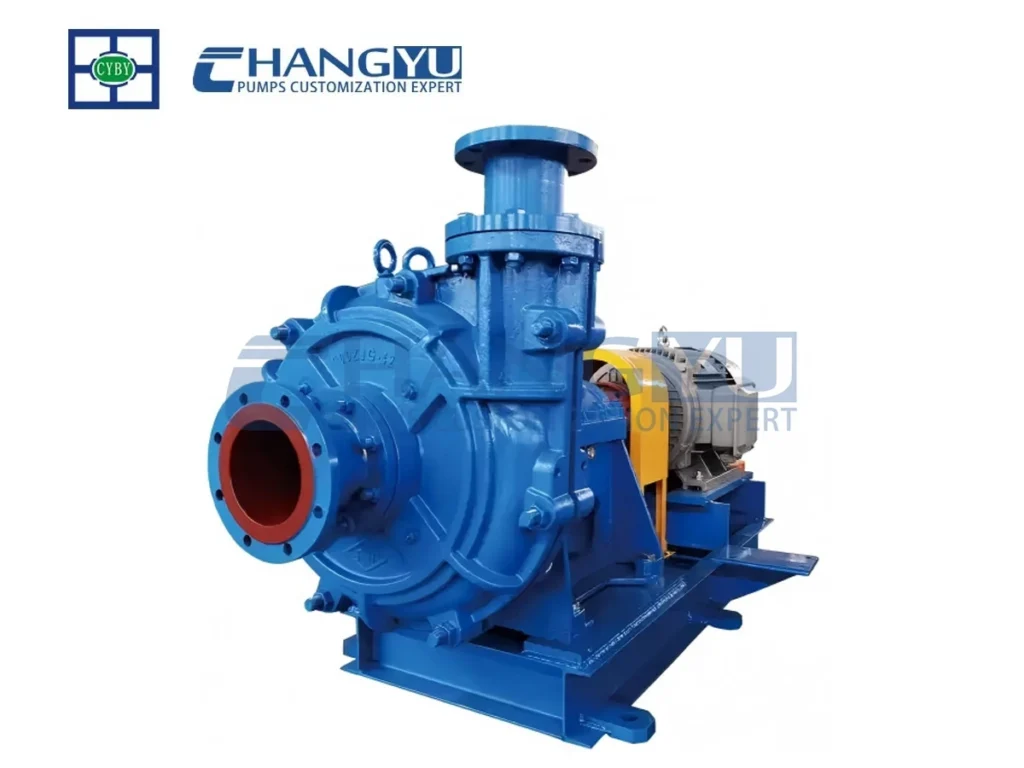
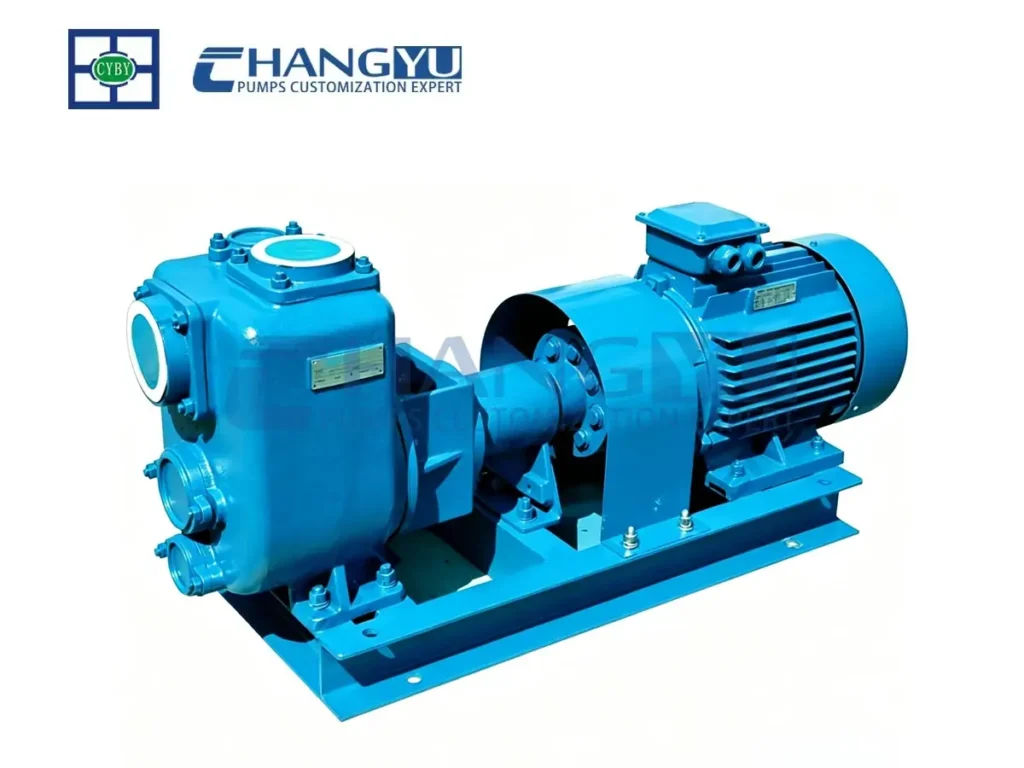
Self-Priming Centrifugal Pump
Self-priming centrifugal pumps are capable of automatically drawing in liquid and do not require priming before startup. They are particularly suitable for applications requiring intermittent operation or high suction heads. They are widely used in wastewater treatment, chemical transfer, and mobile equipment systems.
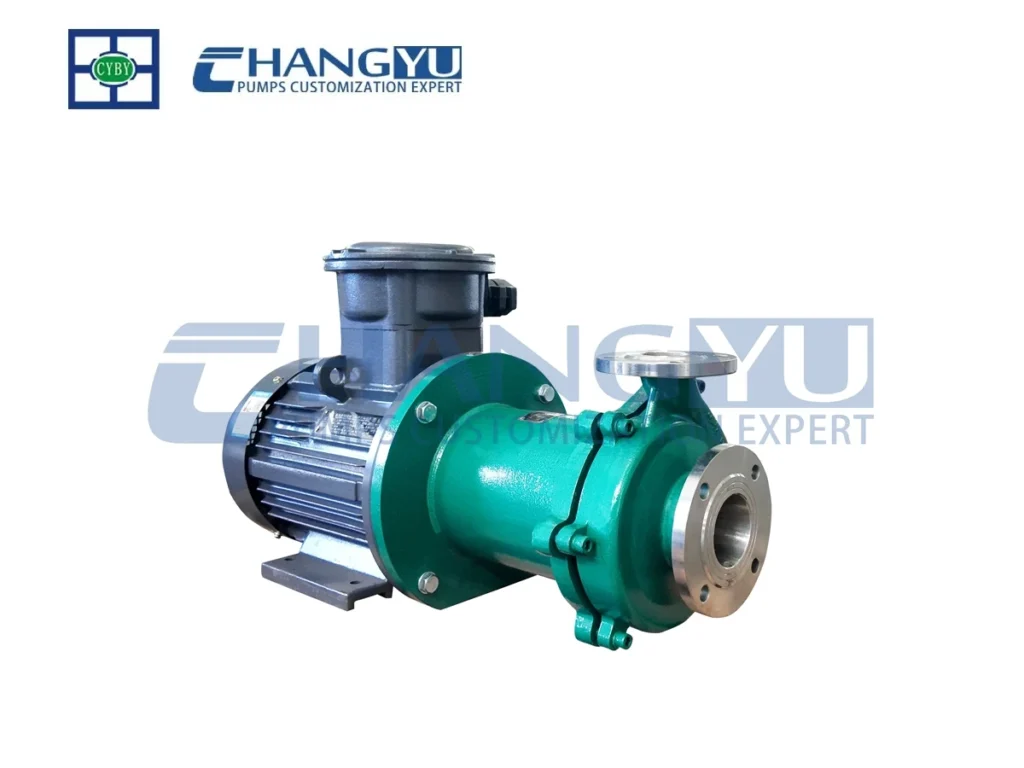
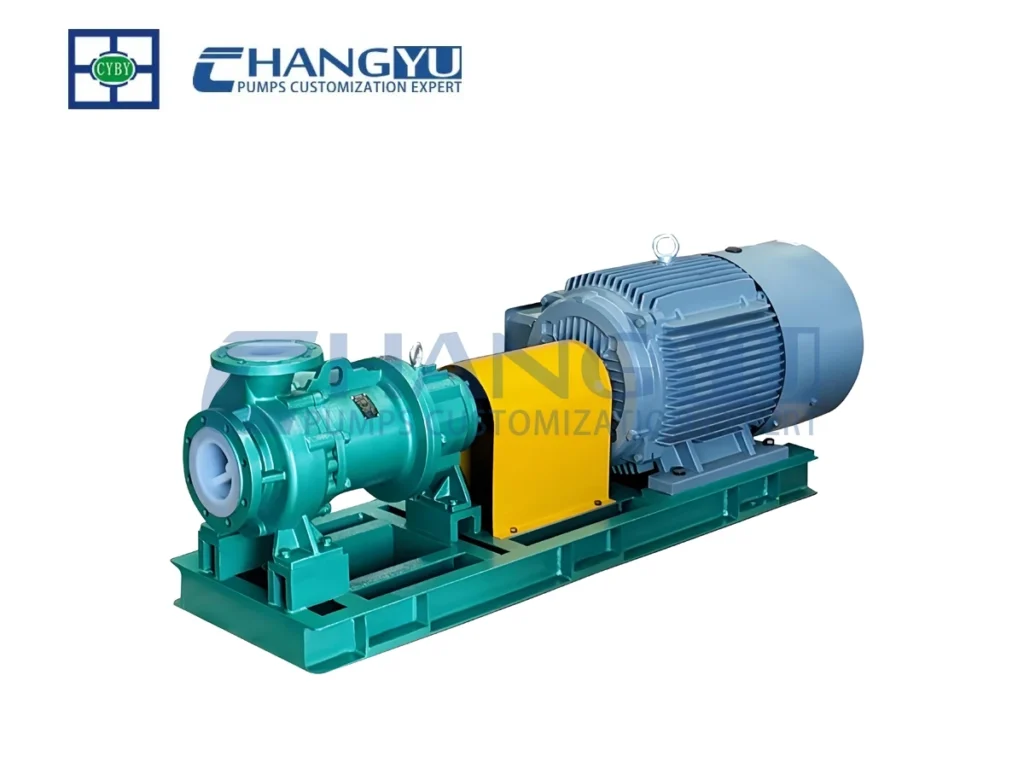
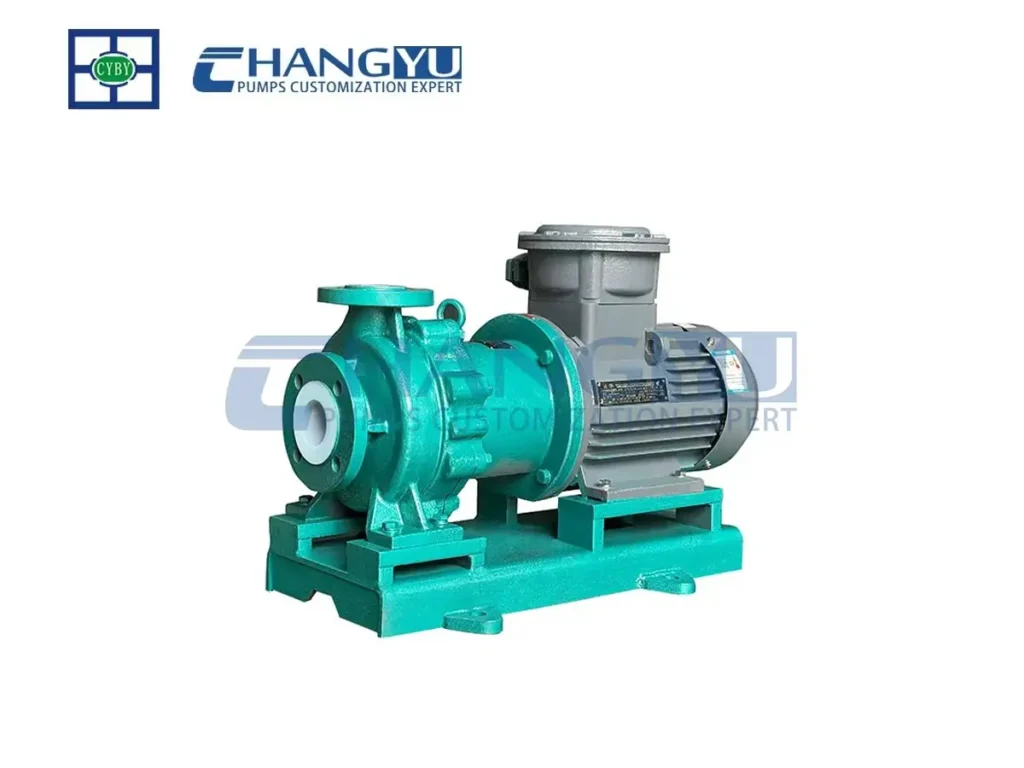
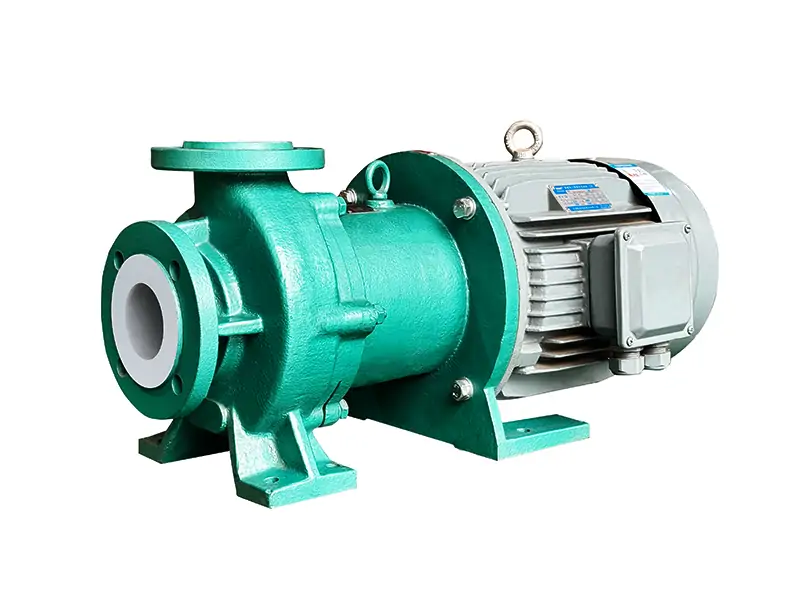
Magnetic Drive Centrifugal Pump
Magnetic drive pumps utilize magnetic coupling for power transmission, eliminating the need for shaft seals and thereby preventing leaks. They are suitable for handling toxic, volatile, and hazardous chemical media and are widely used in the chemical and pharmaceutical industries.
Classified by Application Grade
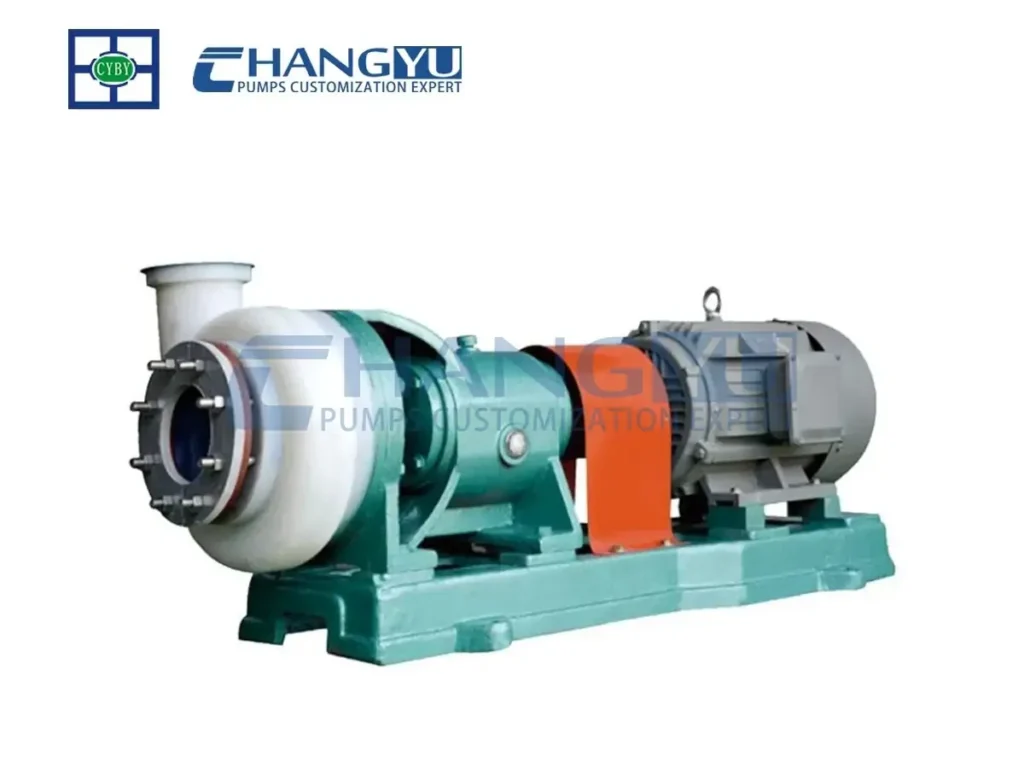
Chemical Centrifugal Pumps
Chemical centrifugal pumps are specifically designed for corrosive and complex chemical media. They are resistant to acids and alkalis, withstand high temperatures, and offer excellent corrosion resistance. They are widely used in chemical production, acid and alkali transfer, and reaction systems.
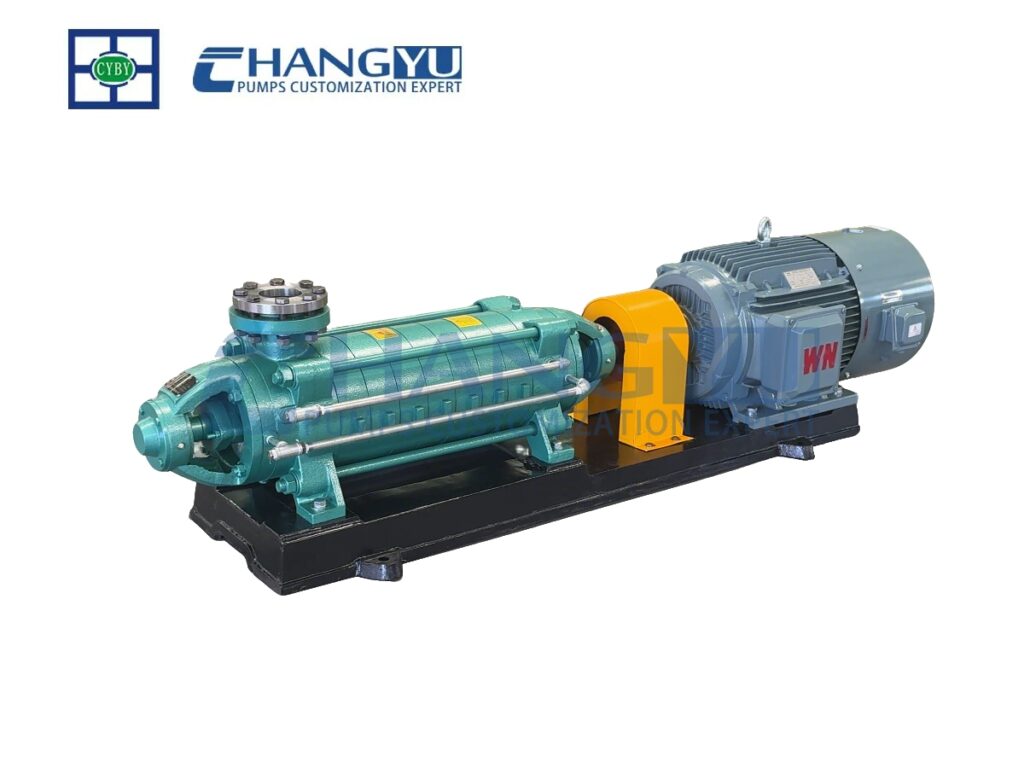
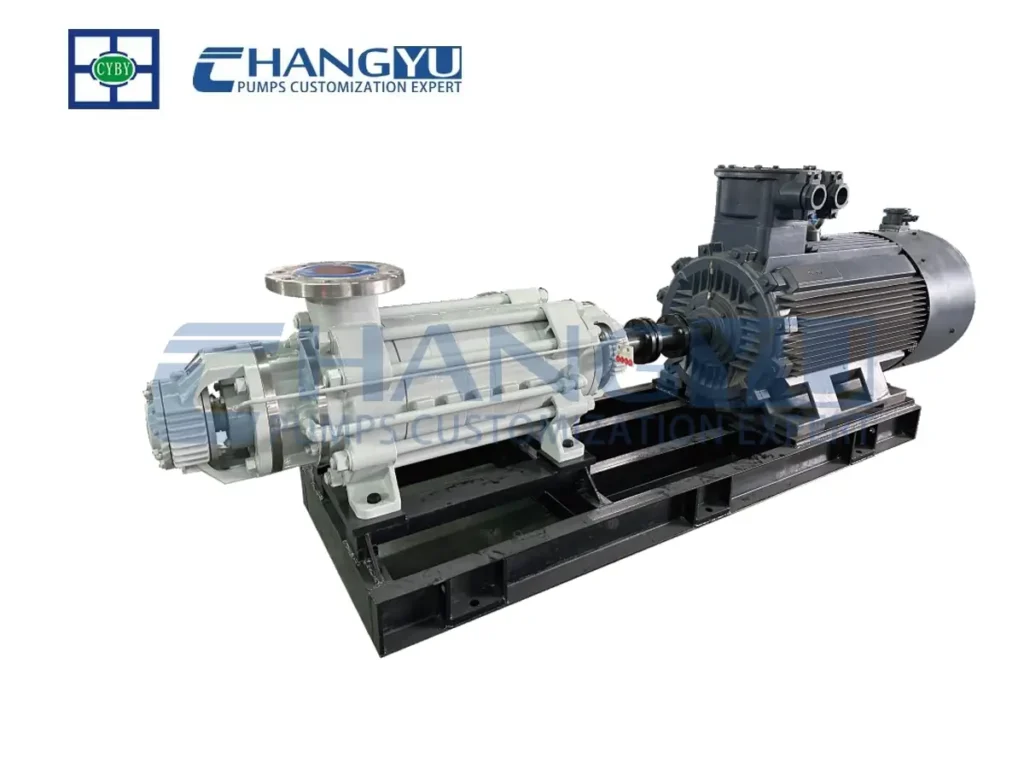
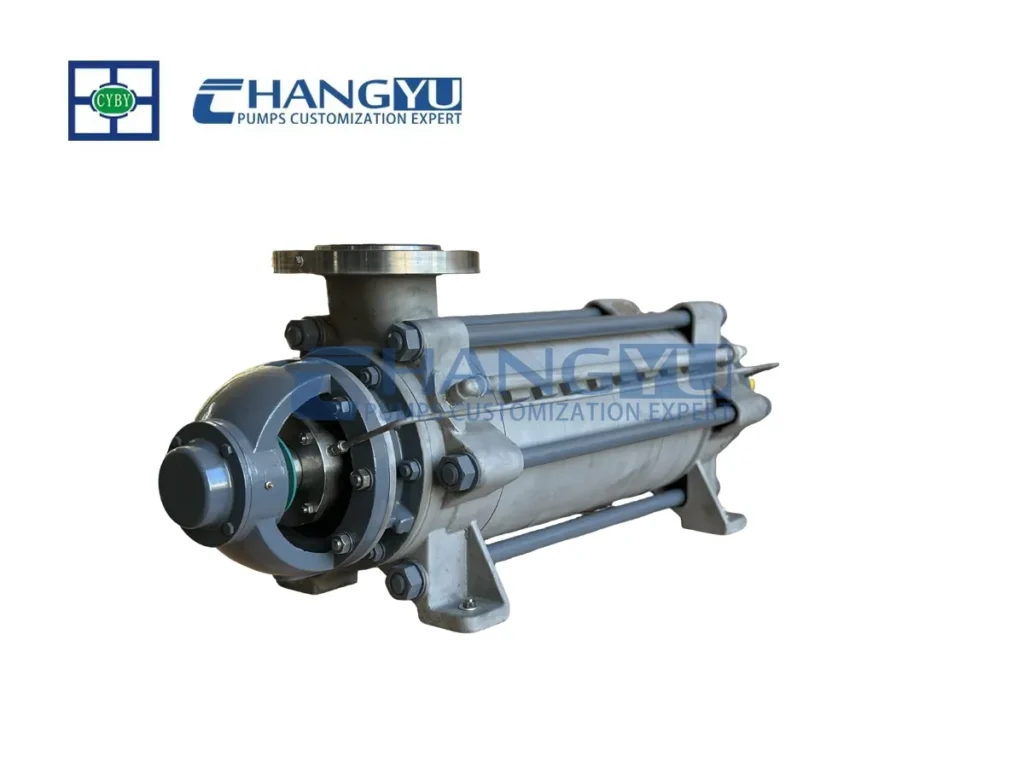
Multistage Centrifugal Pumps
Multistage centrifugal pumps achieve high head output through the combination of multiple impellers. They are suitable for high-pressure water supply, boiler feedwater, and long-distance conveyance systems, and are among the core pieces of equipment for high-pressure industrial applications.
How Centrifugal Pumps Work
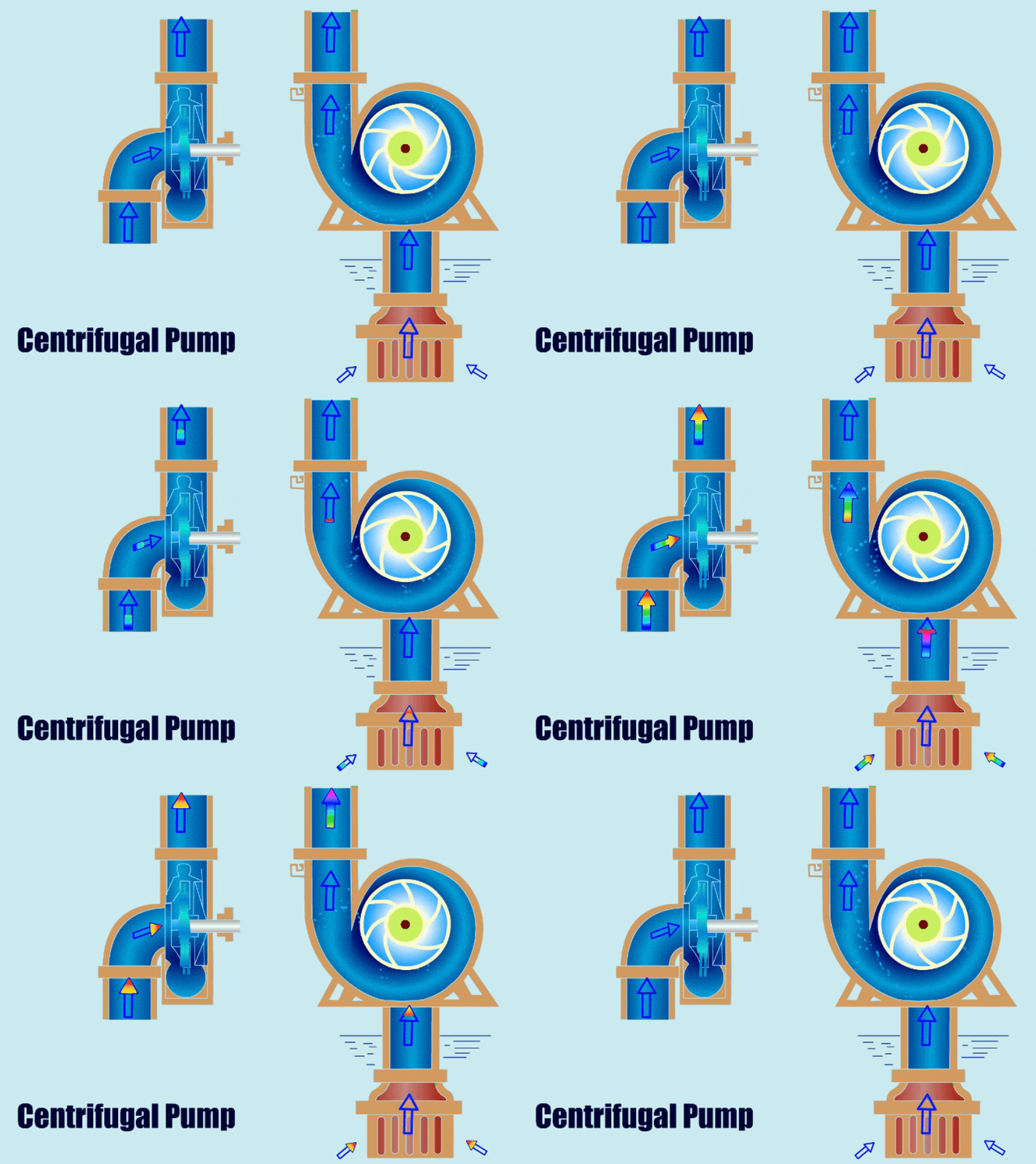
Centrifugal pumps operate on the principle of centrifugal force generated by the high-speed rotation of the impeller, enabling the continuous intake and discharge of liquid. The operating process can be summarized in the following four key steps:
Step 1
Priming and Pre-startup Preparation: Centrifugal pumps do not have self-priming capability. Therefore, before startup, the pump body and suction pipe must be filled with liquid to expel air and prevent an “air lock,” which would prevent the pump from drawing in liquid.
Step 2
Centrifugal Force Generated by Impeller Rotation: When the motor drives the impeller to rotate at high speed via the pump shaft, the liquid between the impeller blades is forced to rotate along with the impeller. Under the action of centrifugal force, the liquid is flung from the center of the impeller (the low-pressure zone) toward the outer edge of the impeller. During this process, both the kinetic energy and the pressure energy of the liquid are significantly increased.
Step 3
Energy Conversion and Pressurization: The high-speed liquid flung from the impeller enters the pump casing (typically volute-shaped). As the cross-sectional area of the casing’s flow path gradually expands, the liquid’s velocity decreases. According to Bernoulli’s principle, most of its kinetic energy is converted into static pressure energy (pressure energy), enabling the liquid to be discharged from the outlet at a higher pressure.
Step 4
Continuous Suction Forms a Cycle: As the liquid is flung outward, a localized vacuum (low-pressure zone) forms in the center of the impeller. Driven by atmospheric pressure at the suction surface (or other pressure differentials), new liquid is continuously forced through the suction pipe into the center of the impeller, filling the space left by the discharged liquid and thus enabling continuous liquid delivery.
A vivid analogy is this: just as raindrops on an umbrella are flung toward the edge by centrifugal force when the umbrella is spun, the impeller of a centrifugal pump acts like a rapidly spinning umbrella, and the liquid is “flung” out like raindrops, thereby gaining energy.
For more articles on the working principles and components of centrifugal pumps, please read:
- What is Centrifugal Pump? Parts, Working Principle and Types
- Understand The Centrifugal Pump Parts And Working
How to Choose the Right Centrifugal Pump Type
Different industrial applications require different centrifugal pump designs and materials. The following comparison table helps users quickly identify the most suitable pump type based on the liquid characteristics, installation conditions, and operating requirements.
| Pump Type | Best For | Main Features | Typical Applications |
|---|---|---|---|
| Stainless Steel Centrifugal Pump | Clean water, mild chemicals, and industrial liquids | Excellent corrosion resistance, hygienic, durable | Water treatment, food processing, chemical circulation |
| Fluoroplastic Chemical Pump | Strong acids, alkalis and corrosive chemicals | PTFE lining, outstanding chemical resistance | Hydrochloric acid, sulfuric acid, electroplating industry |
| Magnetic Drive Centrifugal Pump | Toxic, hazardous or leak-sensitive liquids | Seal-less design, zero leakage, safe operation | Chemical plants, pharmaceutical industry, fine chemicals |
| Self-Priming Centrifugal Pump | Liquids that require automatic suction | Self-priming capability, easy startup, convenient installation | Wastewater treatment, chemical transfer, tank unloading |
| Vertical Pipeline Pump | Pipeline boosting and circulation systems | Compact footprint, vertical installation, energy efficient | Building water supply, HVAC systems, industrial circulation |
| Horizontal Chemical Pump | Continuous industrial liquid transportation | Stable operation, easy maintenance, high flow capacity | Chemical processing, industrial cooling, water circulation |
| Vertical Multistage Pump | High-pressure and long-distance transportation | Multiple impellers provide high head and stable pressure | Boiler feed, high-rise water supply, reverse osmosis systems |
Selection Tips
- Handling corrosive chemicals? → Choose Fluoroplastic Chemical Pumps.
- Need leak-free operation? → Magnetic Drive Pumps are the preferred solution.
- Need automatic suction without manual priming? → Self-Priming Pumps are recommended.
- Limited installation space? → Vertical Pipeline Pumps save floor space.
- Need high-pressure output? → Vertical Multistage Pumps provide higher head performance.
- General industrial fluid transfer? → Horizontal Chemical Pumps or Stainless Steel Pumps are suitable for most applications.
Quick Selection by Conveyed Medium
| Fluid Type | Recommended Pump |
|---|---|
| Clean Water | Stainless Steel Centrifugal Pump |
| Hydrochloric Acid | Fluoroplastic Chemical Pump |
| Sulfuric Acid | Magnetic Drive Chemical Pump |
| Corrosive Chemicals | Fluoroplastic Pump |
| Industrial Circulating Water | Vertical Pipeline Pump |
| High Pressure Water Supply | Vertical Multistage Pump |
Of course, selecting the right pump isn’t just a matter of a single factor; you also need to consider the pumped medium, head, power, material, space, and other factors. If you’re unsure how to choose, please contact our engineers—we’ll provide one-on-one guidance to help you select the most suitable pump model.
Email: [email protected]
WhatsApp: +86-13651913727
